Civic Engagement

Civic engagement begins with paying attention.

For me, civic engagement begins with paying attention to how people experience institutions in everyday life. From hemming neighbors’ pants to mapping resources for delivery riders, resolving a stalled community repair, and speaking with students about civic responsibility, I have explored how trust, participation, and public action can take shape at very different scales.

01

Pants Hemming: Saturdays by the Ironing Board

A weekly neighborhood service — measuring community not by scale, but by the people I came to know

0trousers hemmed
0residents served
0Saturday sessions
2024Since

Short Film: A Few Centimeters Shorter

Directed and Edited by Ben Qi

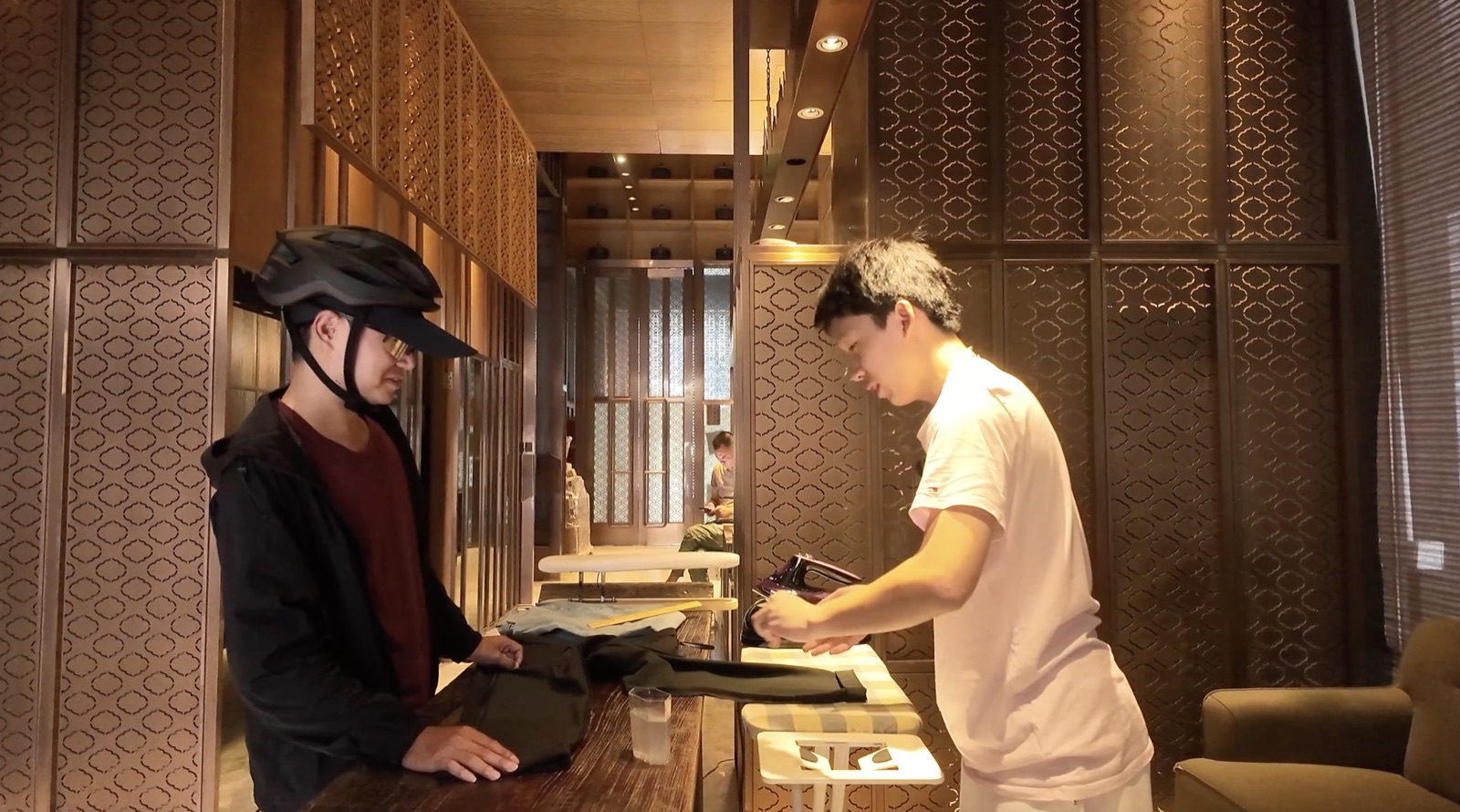
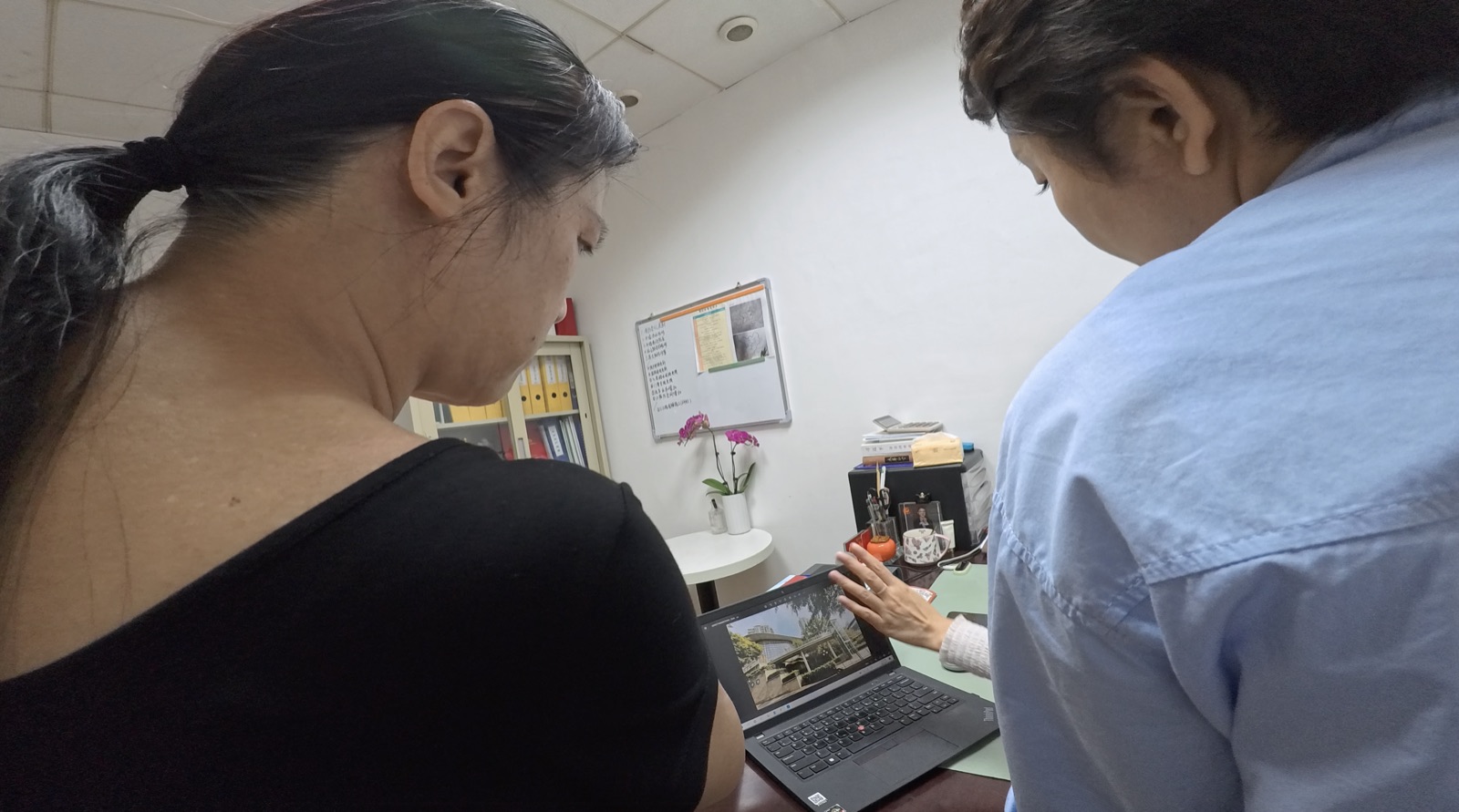
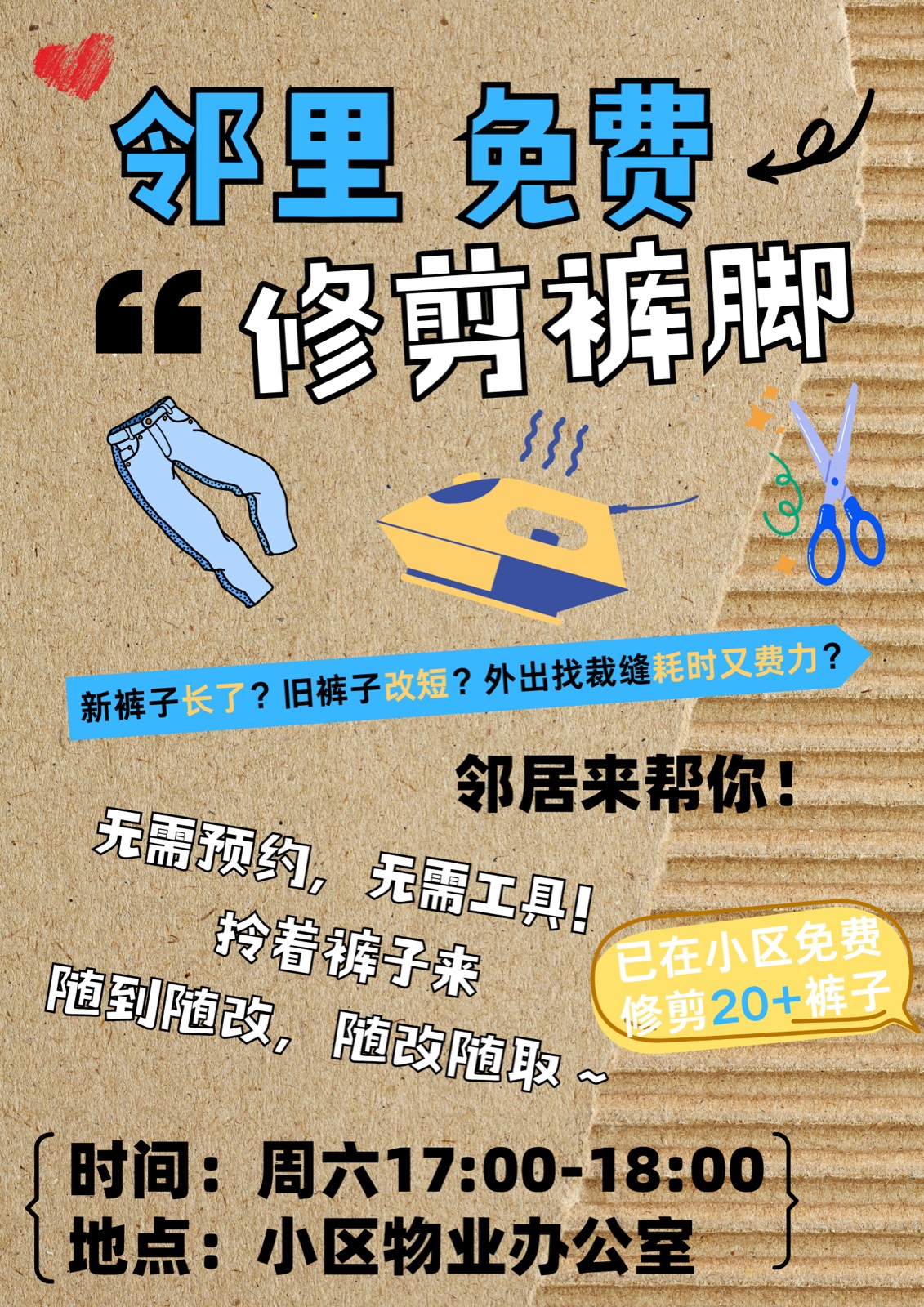
After my grandparents moved from Beijing to Shenzhen, my father wanted my grandmother to meet people in our apartment compound. So every Saturday at four, he set up an ironing board in the property office and hemmed neighbors’ trousers for free.

At first, I helped reluctantly. I thought the whole thing was too small to matter. I could speak to hundreds of students at youth events; my father might spend an afternoon hemming only two or three pairs of trousers. I talked about democracy and social responsibility; he chatted with neighbors about groceries, children, and everyday life.

But after enough Saturdays, the “trivia” stopped feeling trivial. I met a grandmother who had sold her textile factory to accompany her daughter through school, and a live-in housekeeper who spoke candidly about education, work, and marriage back home. I began to understand that my father never let scale determine the value of helping someone.

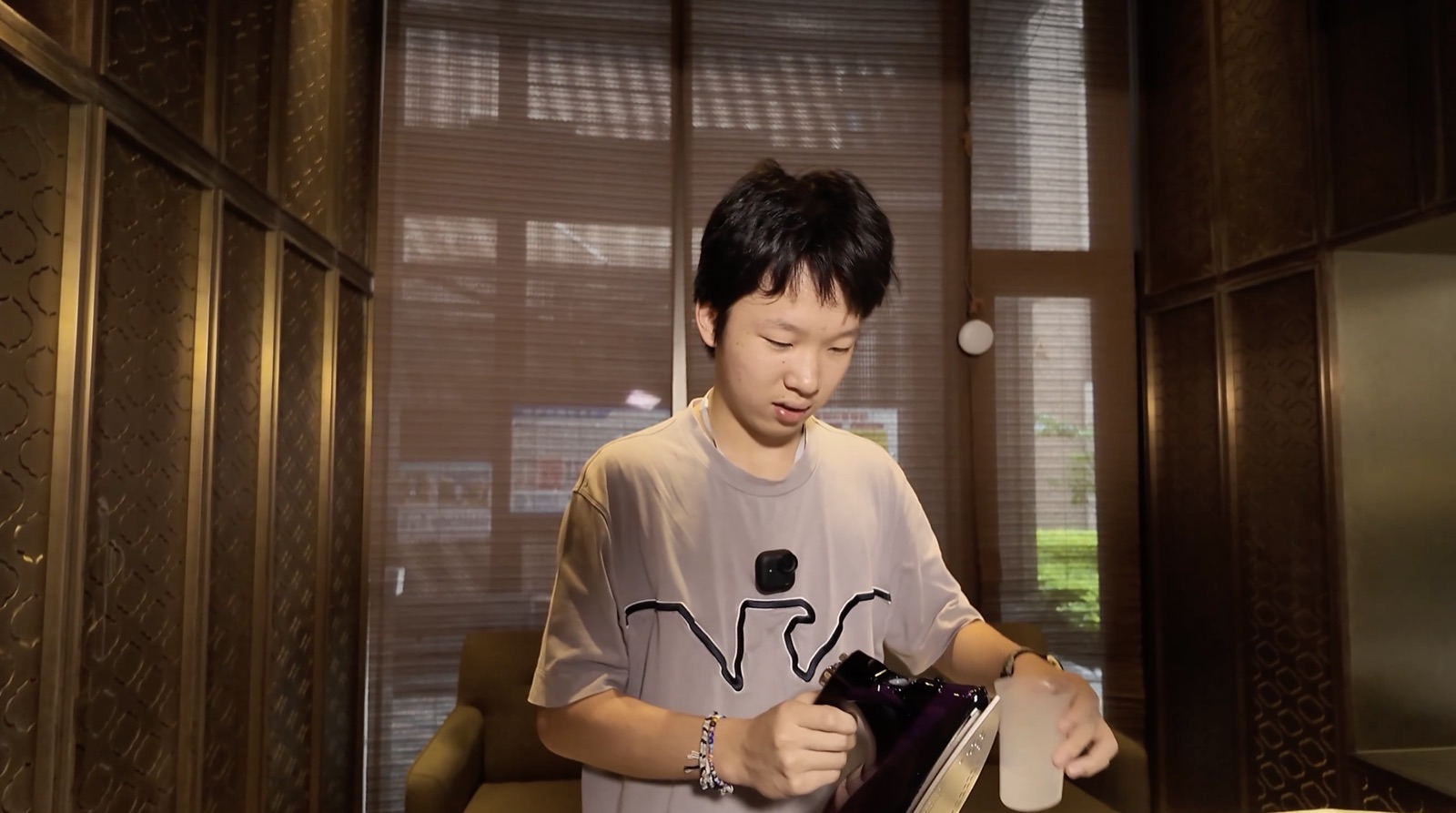
Gradually, I learned to mark hems, cut fabric, press fusible strips, and keep track of residents’ requests. When my father was called away one weekend, I ran the table myself. A resident picked up his trousers, inspected the hem, and simply said, “Nicely done.”

The ironing board I once dismissed became my entrance into the community. I used to understand “groups” through surveys and political concepts. Now I am also learning to understand a community by remembering concrete people, one by one.
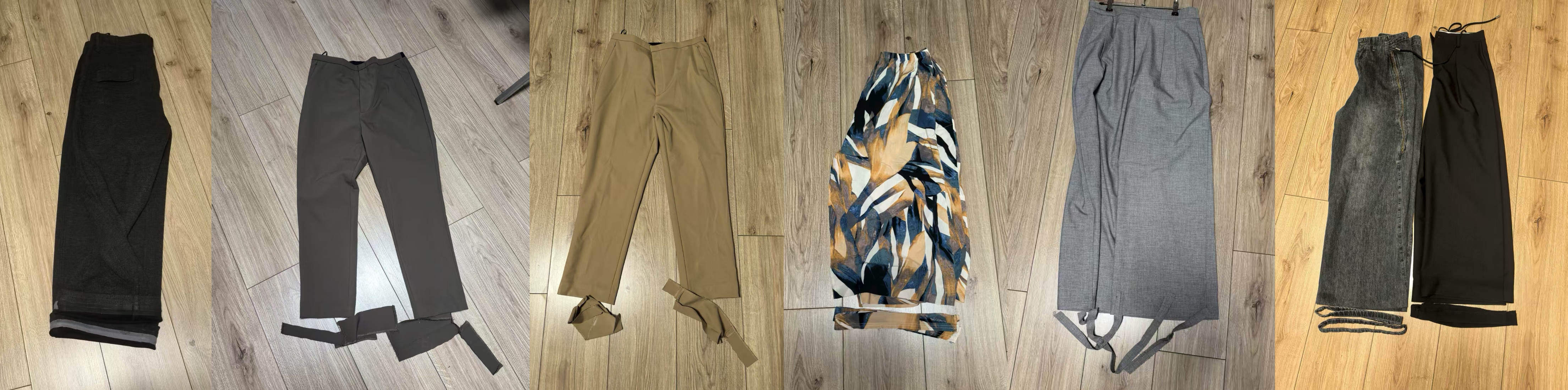
Trousers hemmed through the neighborhood service
Free pants hemming service poster
Ben working at the ironing board
Ben helping a resident with pants hemming
02

Delivery Rider Research - Rider Care Map & Rider Restart Initiative

What began as research into delivery riders’ working conditions gradually became two attempts to respond: a map for immediate needs, and a longer-term initiative for what might come next.

🏆 High Distinction & Global Finalist (Top 8%)

0survey responses
0riders surveyed
0rest stations mapped
0map views
0monthly active users
0riders in courses

During my fieldwork with Shenzhen’s delivery riders, one detail stayed with me: a rider said that one of the greatest luxuries in his day was simply sitting long enough to finish a cup of water.

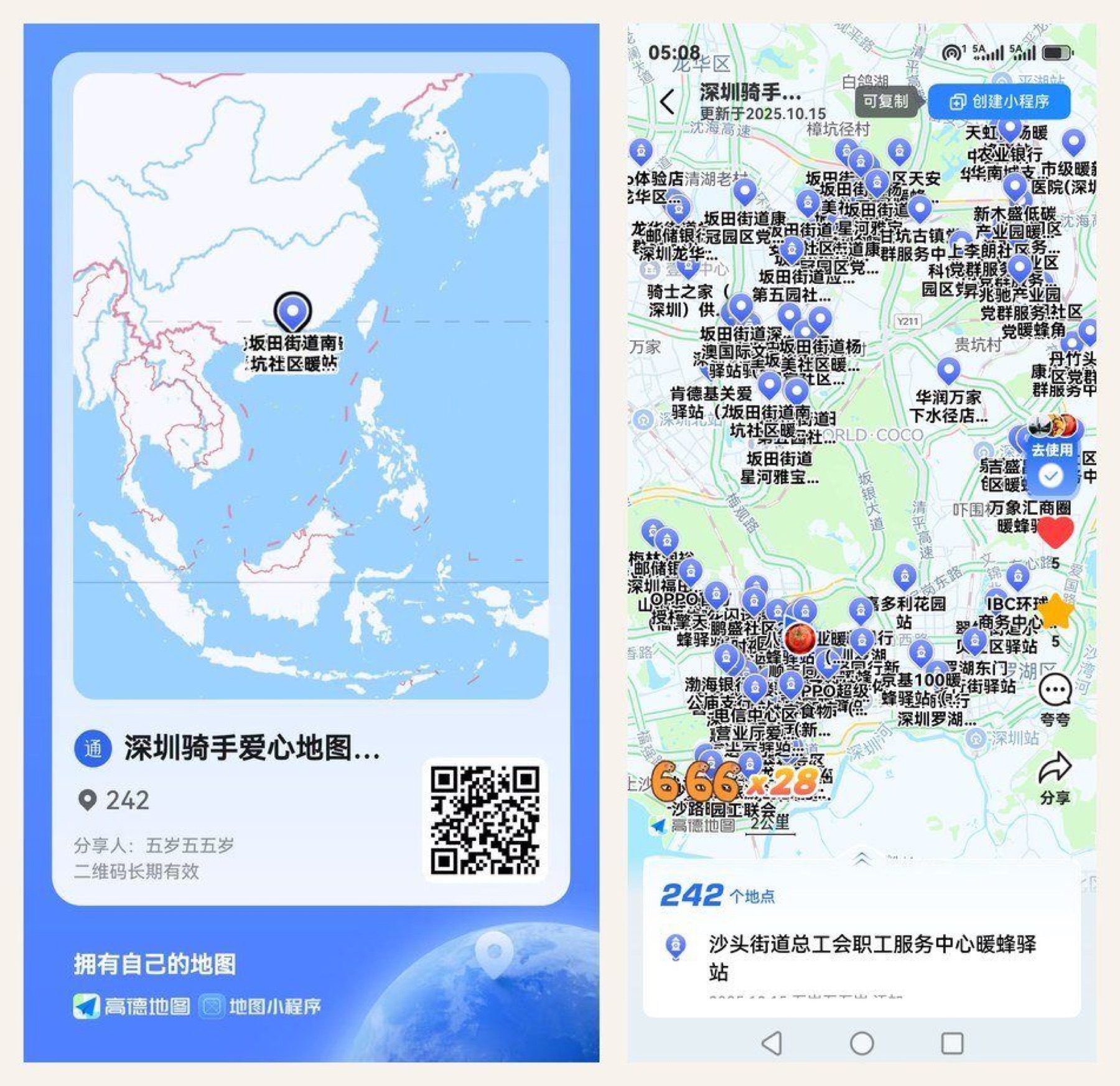
That comment led me to search for the city’s “Warm Bee” rest stations and community care stations. I pinned them one by one onto Amap, creating the Shenzhen Rider Care Map, which now lists 242 locations where riders can rest, drink water, charge their phones, and access basic facilities.

But a map could only answer one question: where can a rider rest today? It could not answer a harder one: what comes after delivery work?

Shenzhen Rider Care Map, 242 Rest Stations

Shenzhen Rider Care Map showing 242 rest stations

What began with a cup of water became a map, and then a longer-term support project. It taught me that civic engagement does not end when a problem is identified. Sometimes, that is where the harder work begins.

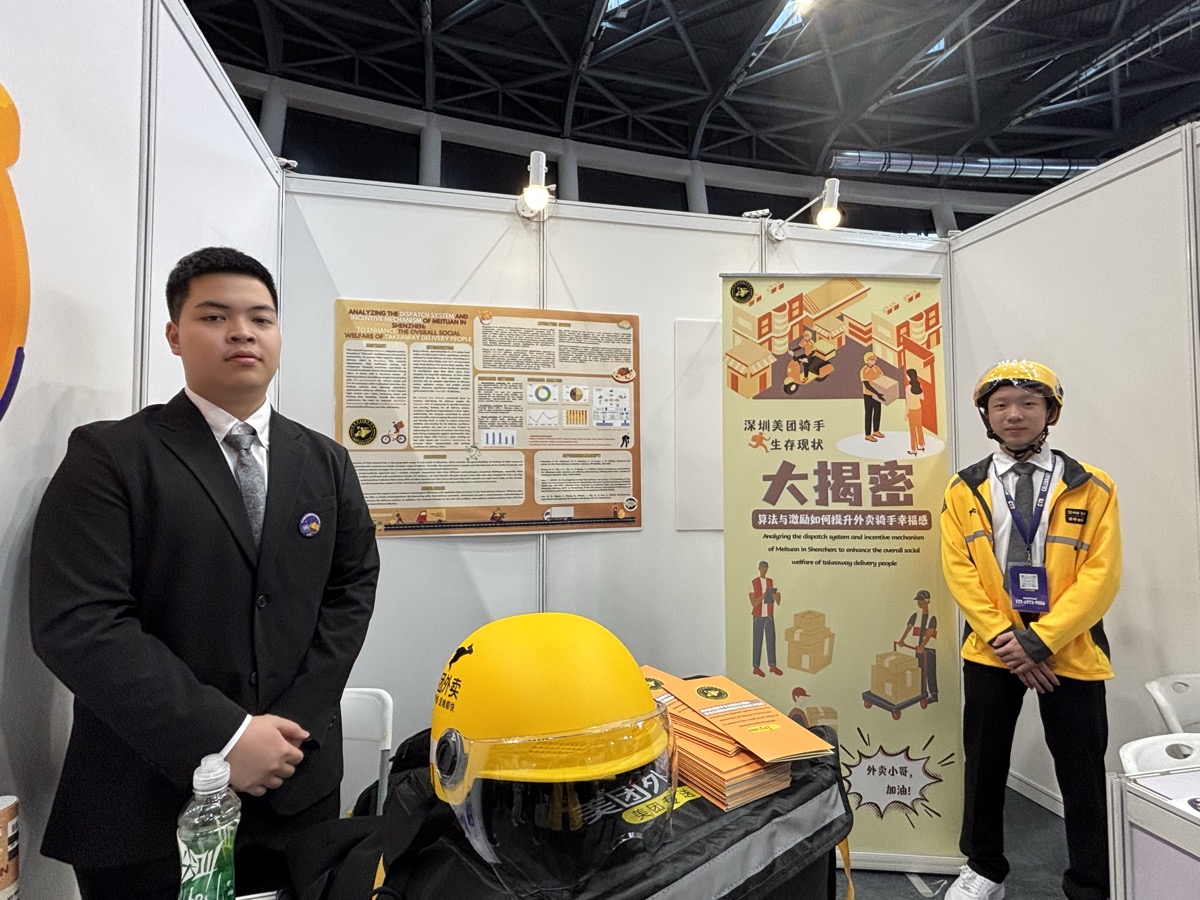
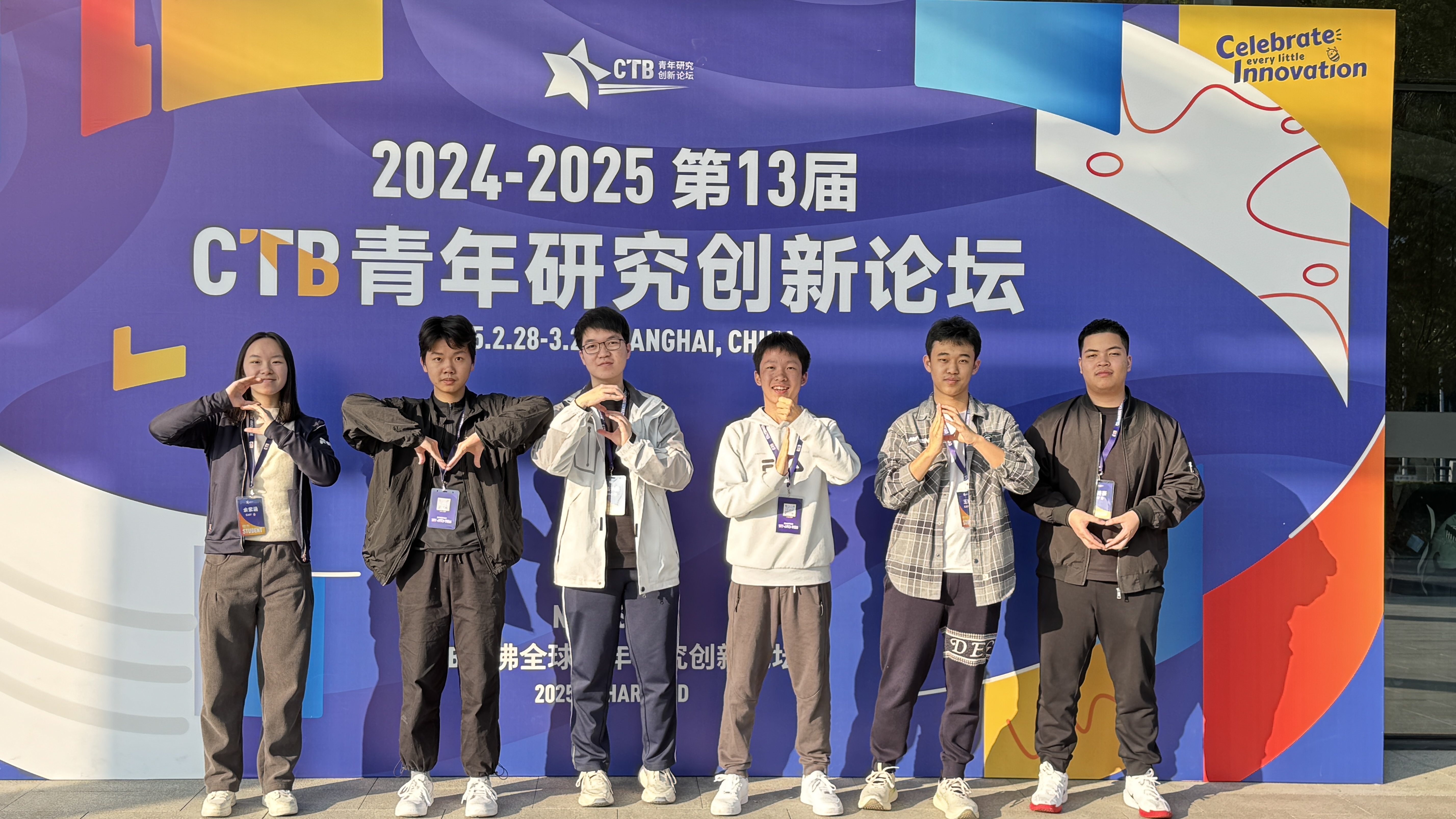
Rider Care project team at the CTB Youth Research and Innovation Forum
China Thinks Big · Most Popular Project (Top 10%)

Rider Restart Project

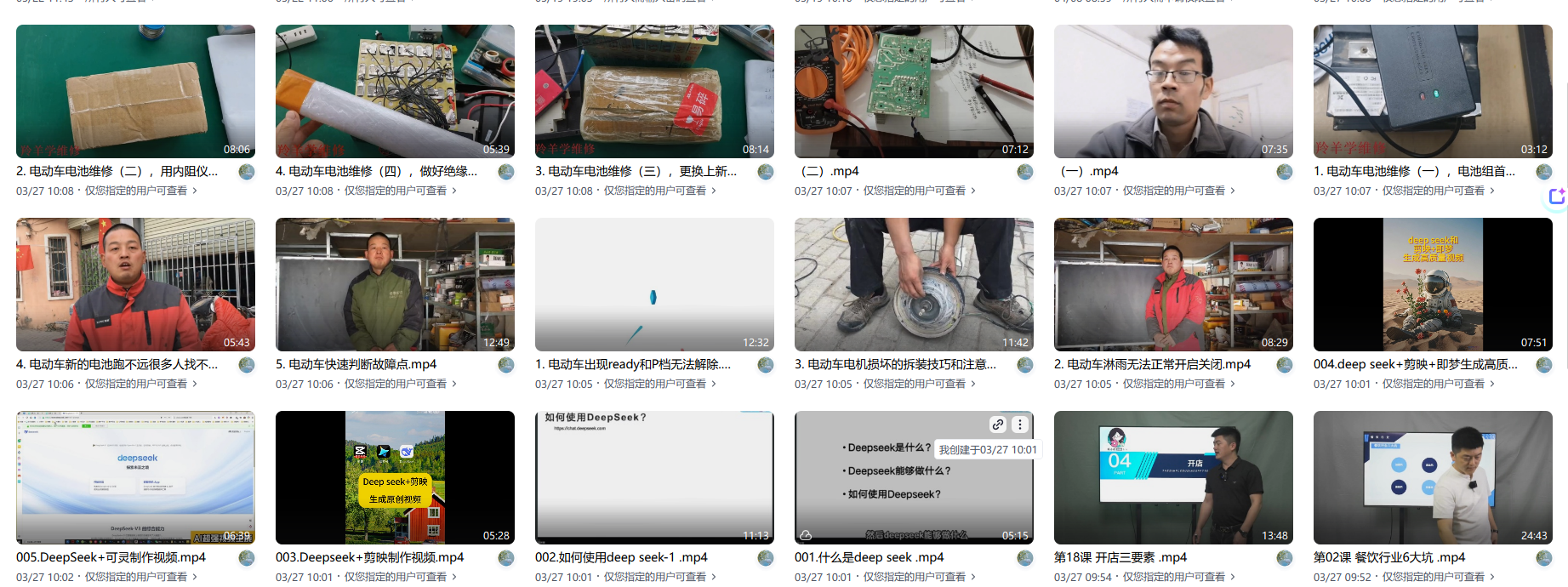
That led to the Riders Restart Project. In December 2025, my classmates and I worked with the Shenzhen Social Welfare Foundation to launch a designated-donation initiative supporting riders’ longer-term career development. The project has three stages: Set Sail, offering micro-courses and learning resources; Voyage Plan, supporting skills training and professional certification; and Friendly Employer, connecting riders with career-transition opportunities. Before designing the first stage, we surveyed 142 riders about their career plans and learning needs. Their top interests—e-bike maintenance, short-video production, and restaurant operations—became the basis of our course design.

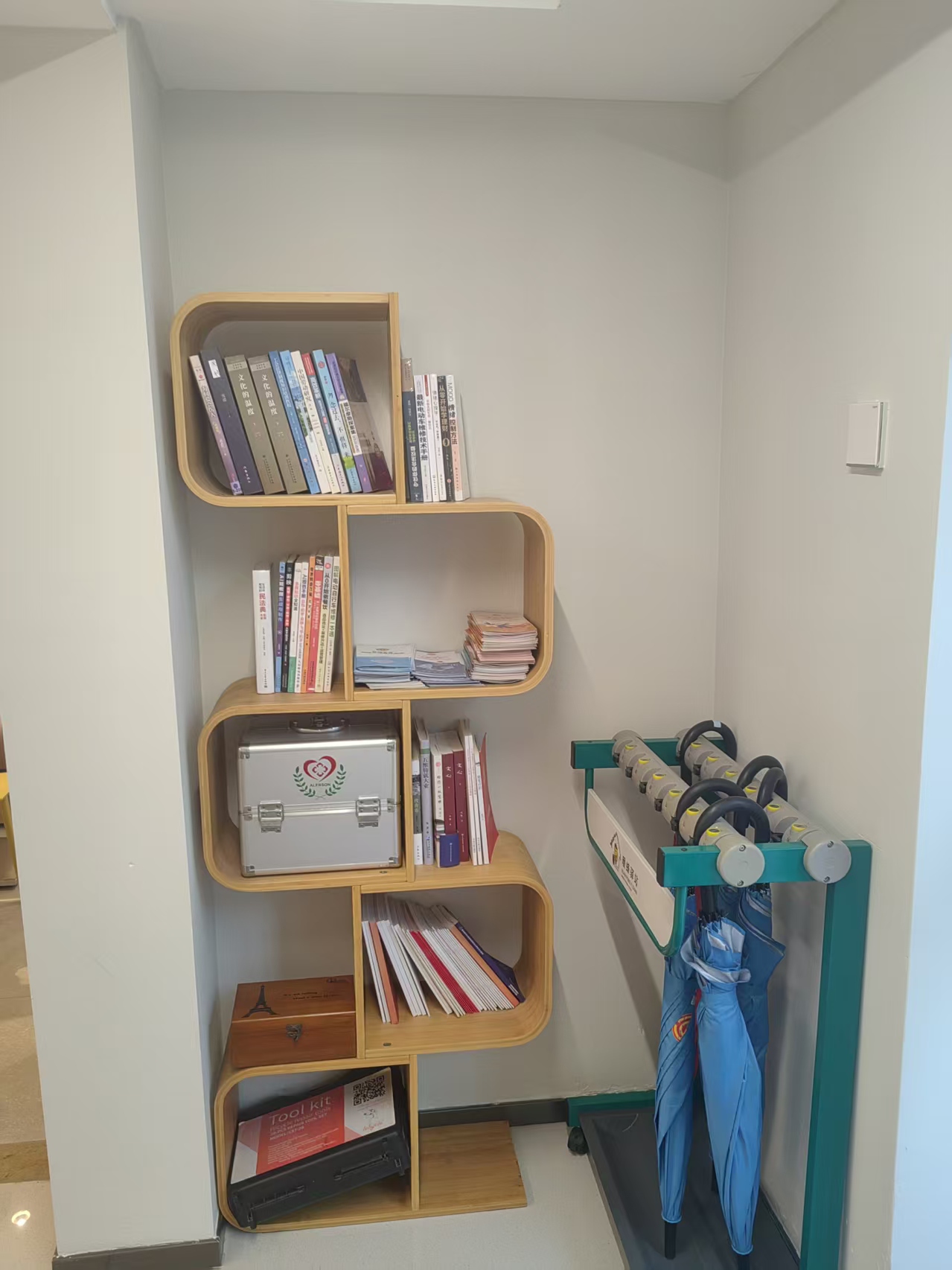
The first stage has now completed its initial rollout. We launched 21 free micro-lessons—12 on e-bike maintenance and safety, five on short-video production, and four on restaurant operations—alongside a 15-book learning corner at a rider rest station and an online peer-learning group. Together, these resources have reached more than 100 riders.

Read More · Riders Restart Proposal Read More · Research Paper Read More · Implementation Plan
03

One Broken Escalator, One Step Forward

A broken escalator became my first lesson in how local governance actually moves—from disagreement to negotiation, procedure, and common ground.

0households canvassed
40%→70%resident support
0stakeholder meetings
7property management and government authorities
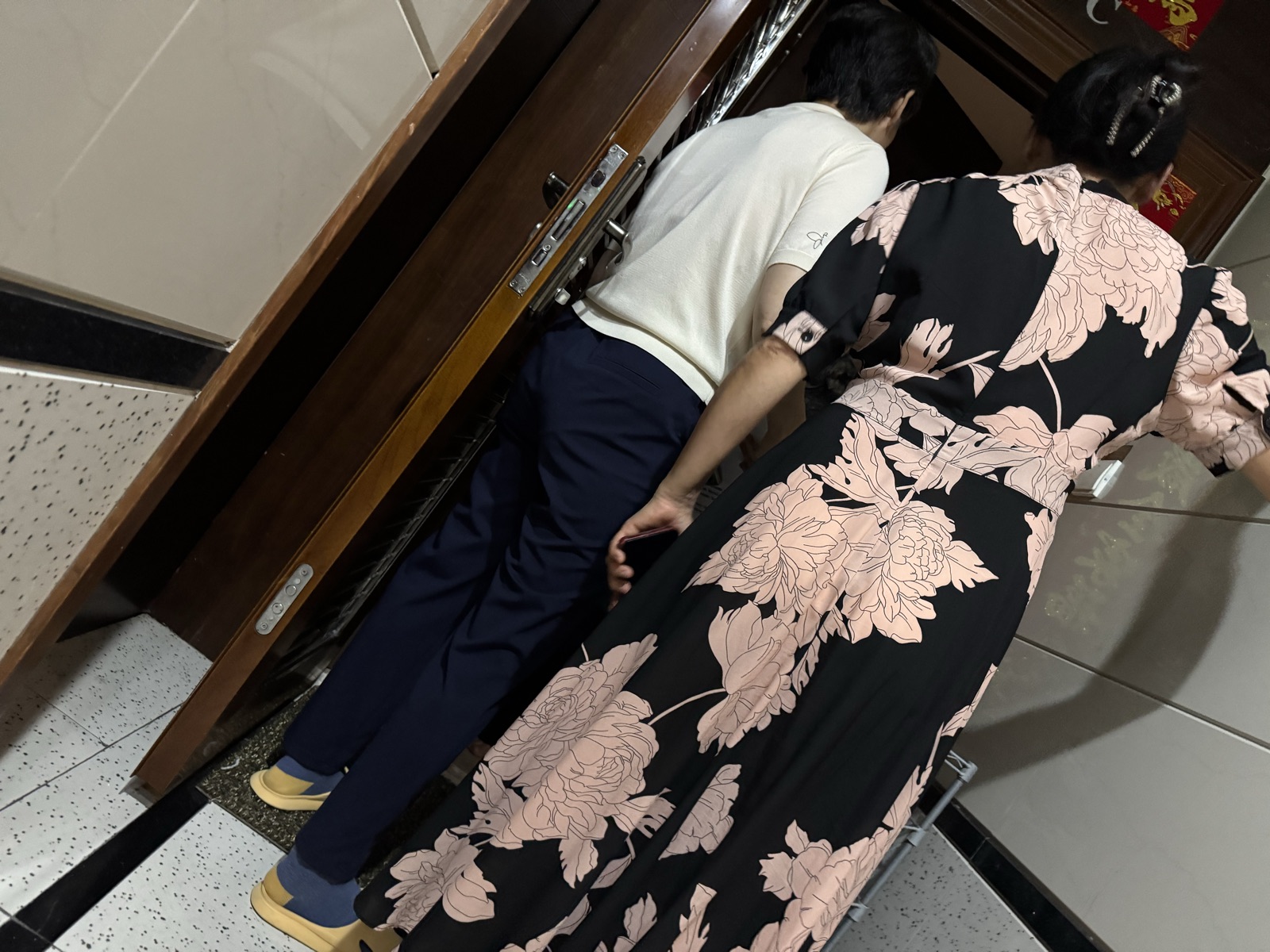
Door-to-door resident outreach
Door-to-door outreach
Meeting with community stakeholders
Stakeholder meeting
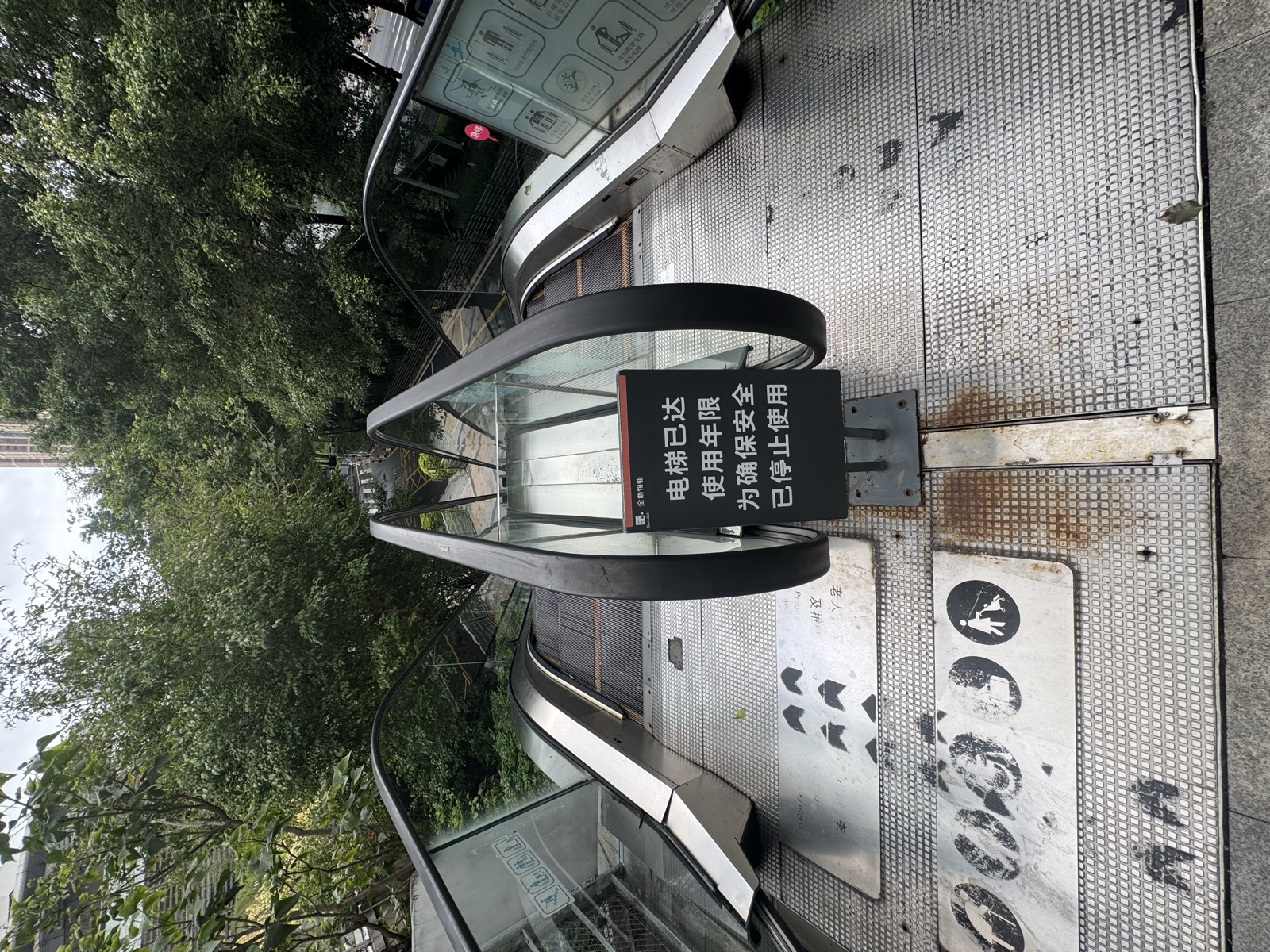
The escalator before repair
On-site investigation

At the main entrance of my aunt’s residential compound, an escalator had been broken for five or six years. For younger residents, it was an inconvenience; for elderly residents like my grandmother, it meant a long detour and increasing difficulty getting around.

My aunt, another elderly resident, and I drafted a repair proposal and went door to door collecting signatures to reach the 20% owner-consent threshold required for a homeowners’ assembly.

At first, I assumed everyone would support the repair. Instead, some residents asked, “I use another entrance. Why should I pay?” Rather than dismissing them as selfish, I began to understand the issue differently. The compound has three entrances, and many owners saw little direct benefit from the repair. Conversations with the property office, subdistrict office, and housing authorities also showed me how much the process depended on rules and procedures.

So we reframed the proposal. Instead of presenting the escalator mainly as assistance for elderly residents, we emphasized it as shared infrastructure affecting the neighborhood’s accessibility, appearance, and property value. We redesigned the materials, compared repair costs with long-term benefits, and joined a door-to-door working group to speak with hesitant homeowners.

After gaining enough support, I researched relevant regulations and helped draft the formal consultation materials. When the property manager reviewed the document and said, “Not bad. Let’s start collecting responses,” the escalator was still broken—but the project had finally moved forward.

The experience taught me that public problems rarely advance through moral certainty alone. They require listening to competing interests, navigating procedures, and finding enough common ground for people to act together.

04

The Light on the Podium, and the Questions Beyond It

Speaking to students taught me the power of public expression—and the danger of offering answers before fully understanding the lives behind the questions.

🏆 Most Compassionate Award · 4th Public Welfare Forum for Secondary School Students

0talks across 6 schools
0students reached
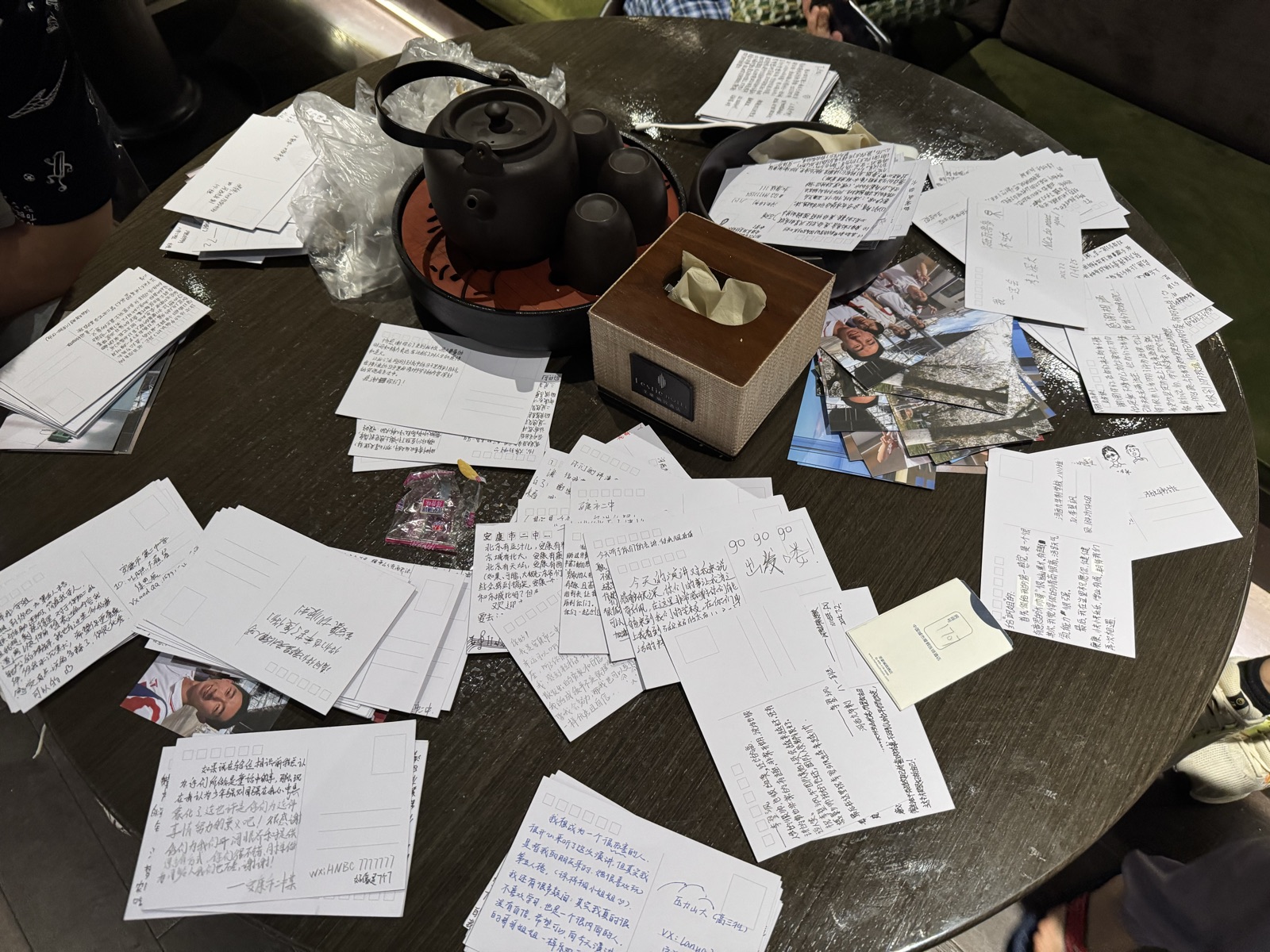
0feedback postcards
0schools / 9 provinces org reach

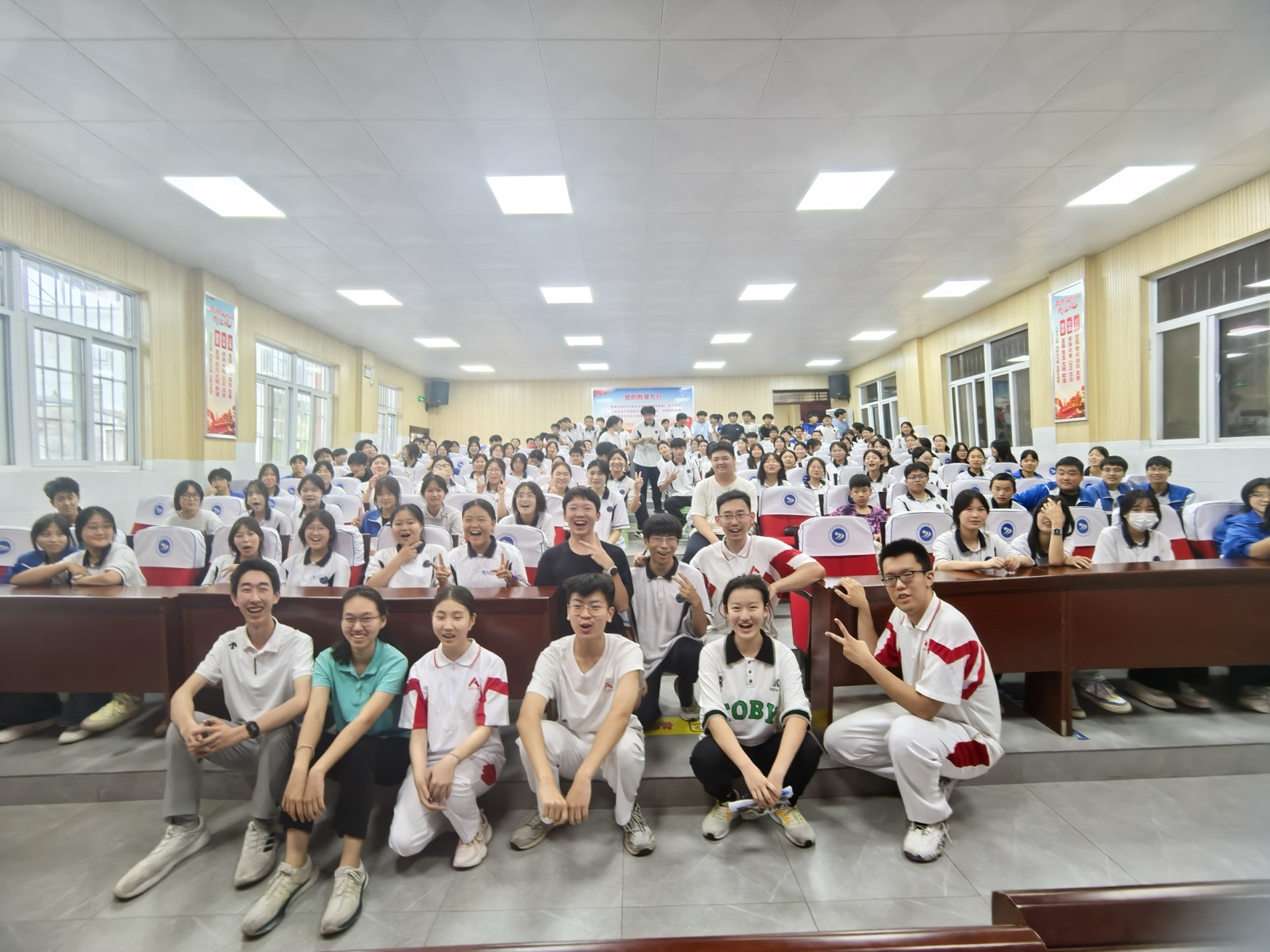
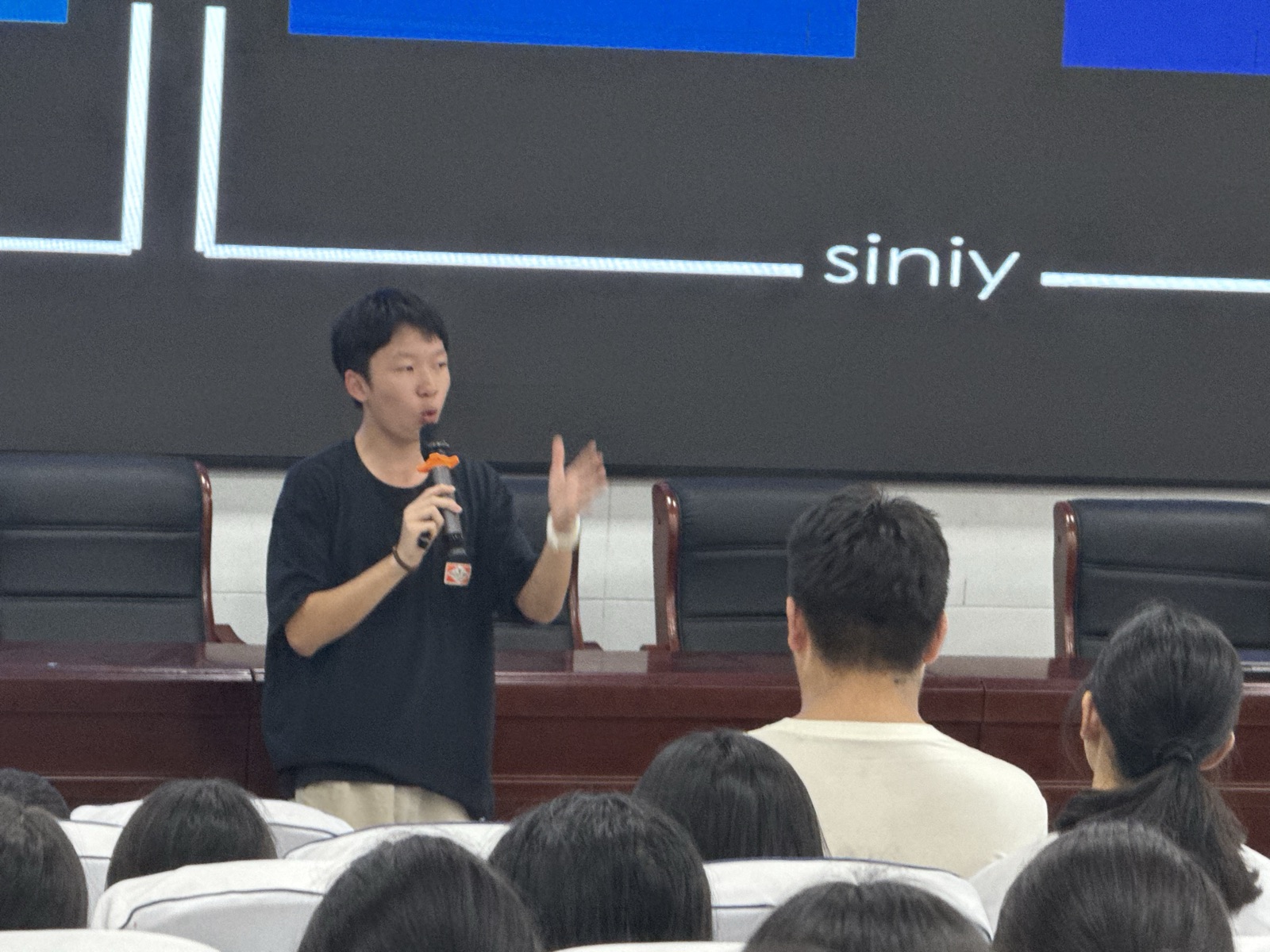
In July 2025, I traveled to Ankang, Shaanxi, with iNeon Youth Talks, a student-led civic education initiative. Across six schools, I spoke to more than 1,200 students about practicing democratic principles on campus and using legitimate channels to speak up for their rights.

The response felt exhilarating. Students handed me postcards after the talks, and local media covered our visit. For a while, I believed we were bringing a kind of “enlightenment” from the city to somewhere farther away.

On the ride home, my father listened to my excited retelling and asked one question:

“Don’t you think you may be taking yourselves too seriously?”

I argued with him then. Much later, after listening to families talk about education, work, and their futures around our neighborhood ironing board, I began to understand what he meant. For many families, the gaokao is not simply a restrictive system to question; it may be the most realistic path toward a different future.

We had stood on podiums offering answers before fully understanding the questions people were living with.

I shared these reflections at the 4th Public Welfare Forum for Secondary School Student, organized by the Association of Chinese Students of Private Schools of America, where I received the Most Compassionate Award.

iNeon taught me the power of sharing ideas, but also one of the easiest mistakes to make in civic work: mistaking seeing for understanding.

iNeon Youth Talks group photo
With students
Ben speaking at an iNeon Youth Talk
On the podium
Student feedback postcards
Feedback postcards