Hip-Hop & Me · Finding My Voice

From an old KTV machine
to my own voice.

I found hip-hop almost by accident in fourth grade, through an old KTV machine at home. At first, I copied rappers’ gestures and lyrics, which led to one of the biggest arguments I ever had with my father. He thought rap was “not good stuff.” Later, he changed his mind—and even gave me a pair of sunglasses so I would look cooler onstage.

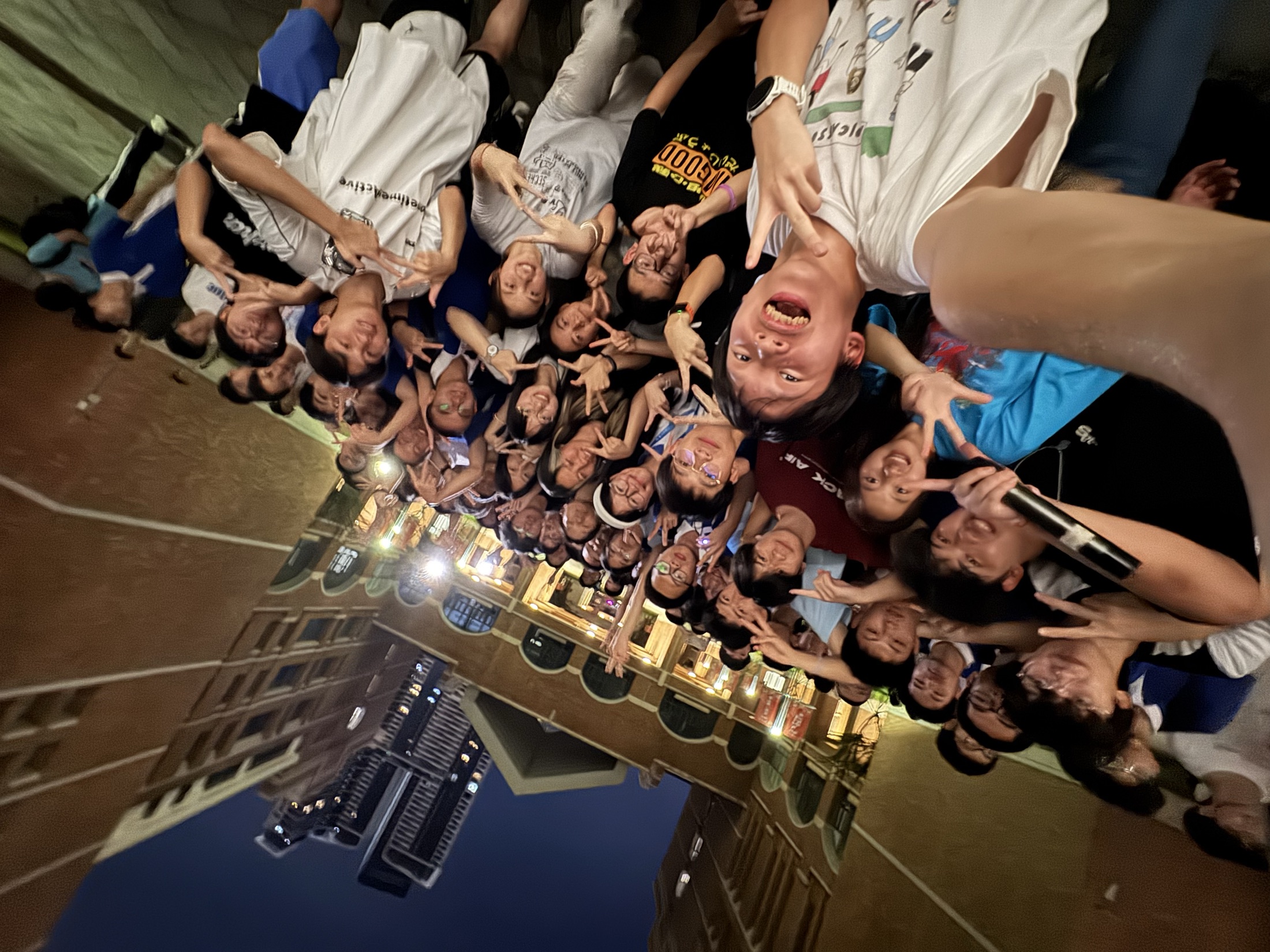
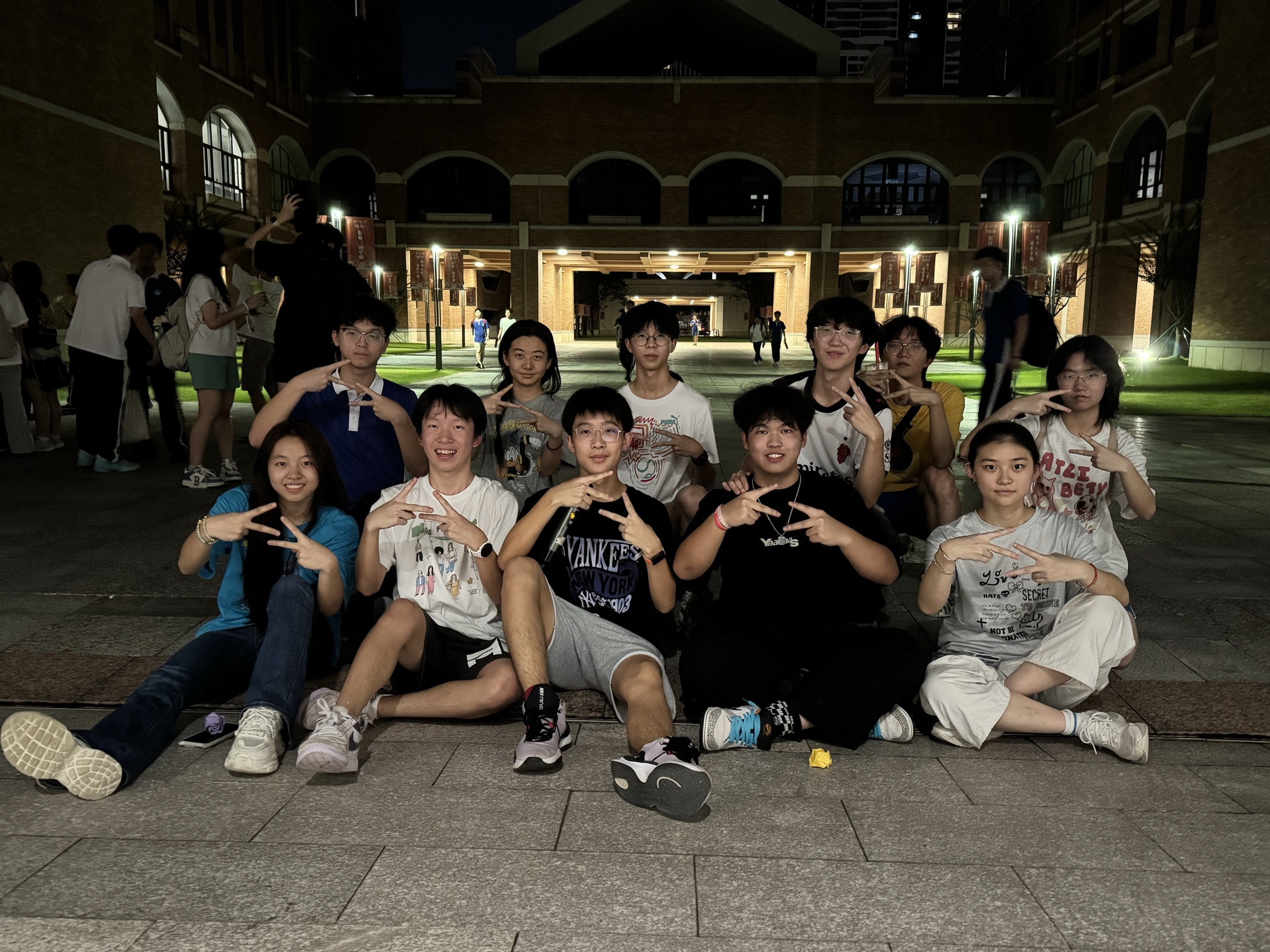
Since then, hip-hop has followed me from my living room to school buses, rehearsal rooms, and campus stages. In high school, I joined Hip-Hop Alliance, our school’s rap club, performed at campus events, wrote original songs, and released two collaborative cyphers with friends.

Original Music

Writing my own verses

Writing my own verses changed my relationship with rap. It became less about imitation and more about finding language for my own experiences—friendship, attraction, pressure, humor, and growing up in Shenzhen.

SMS Cypher Collaborative cypher · with friends
STANLEY. (feat. yungmans) Original by Ben Qi
ANOTHER DAY OF WE Original by Ben Qi
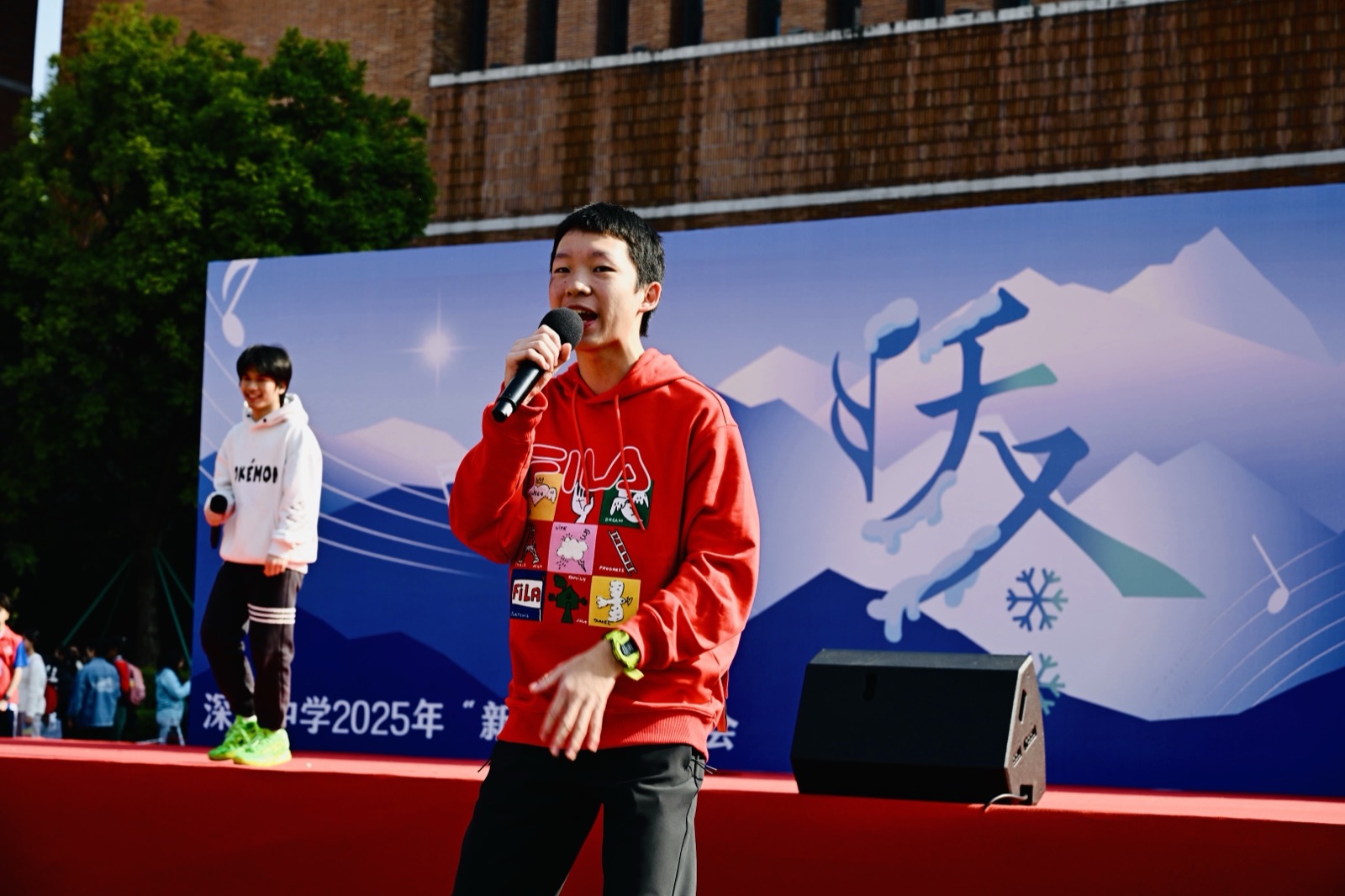
Ben performing live on stage

On Stage

Turning private energy into something shared

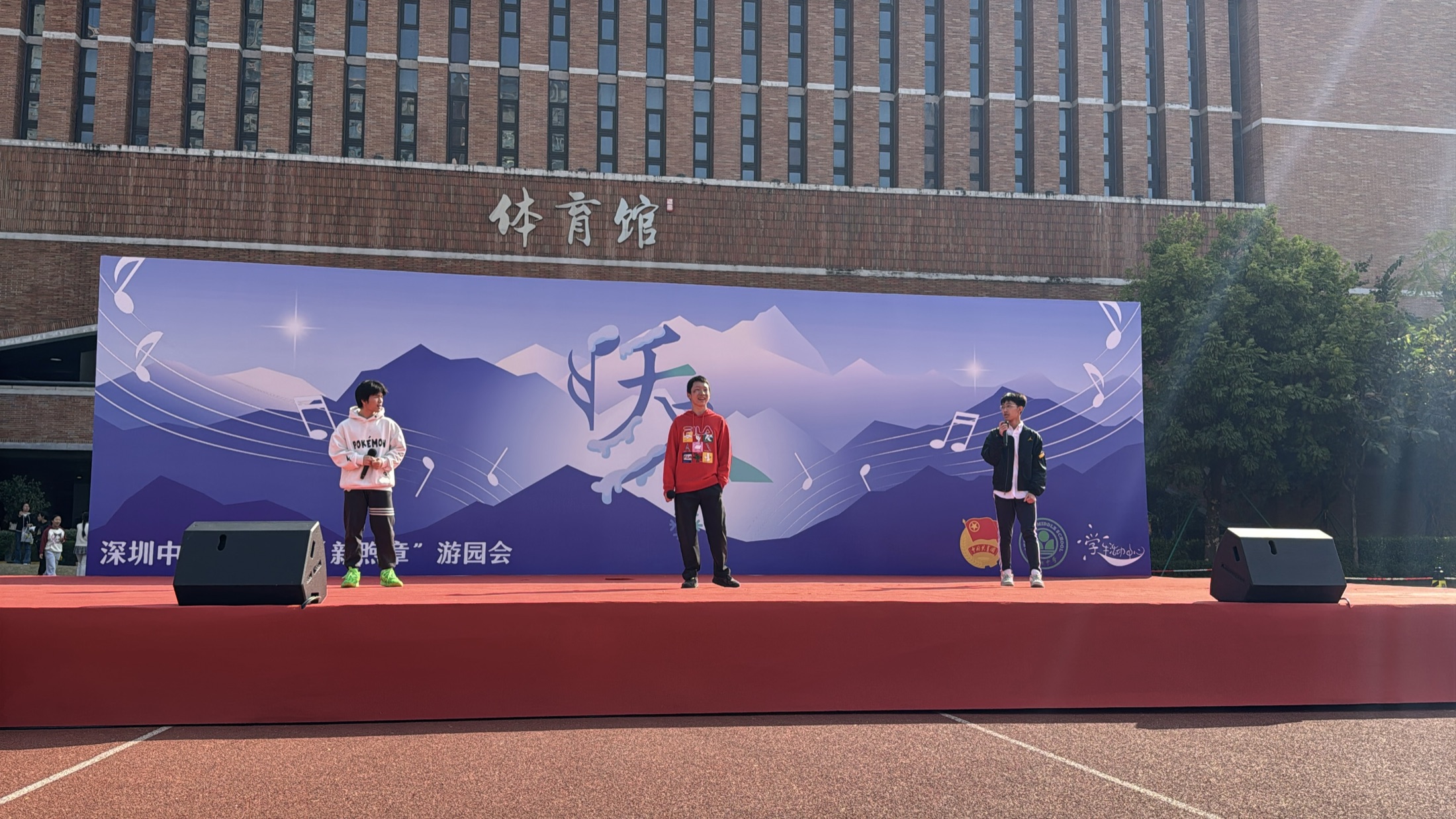
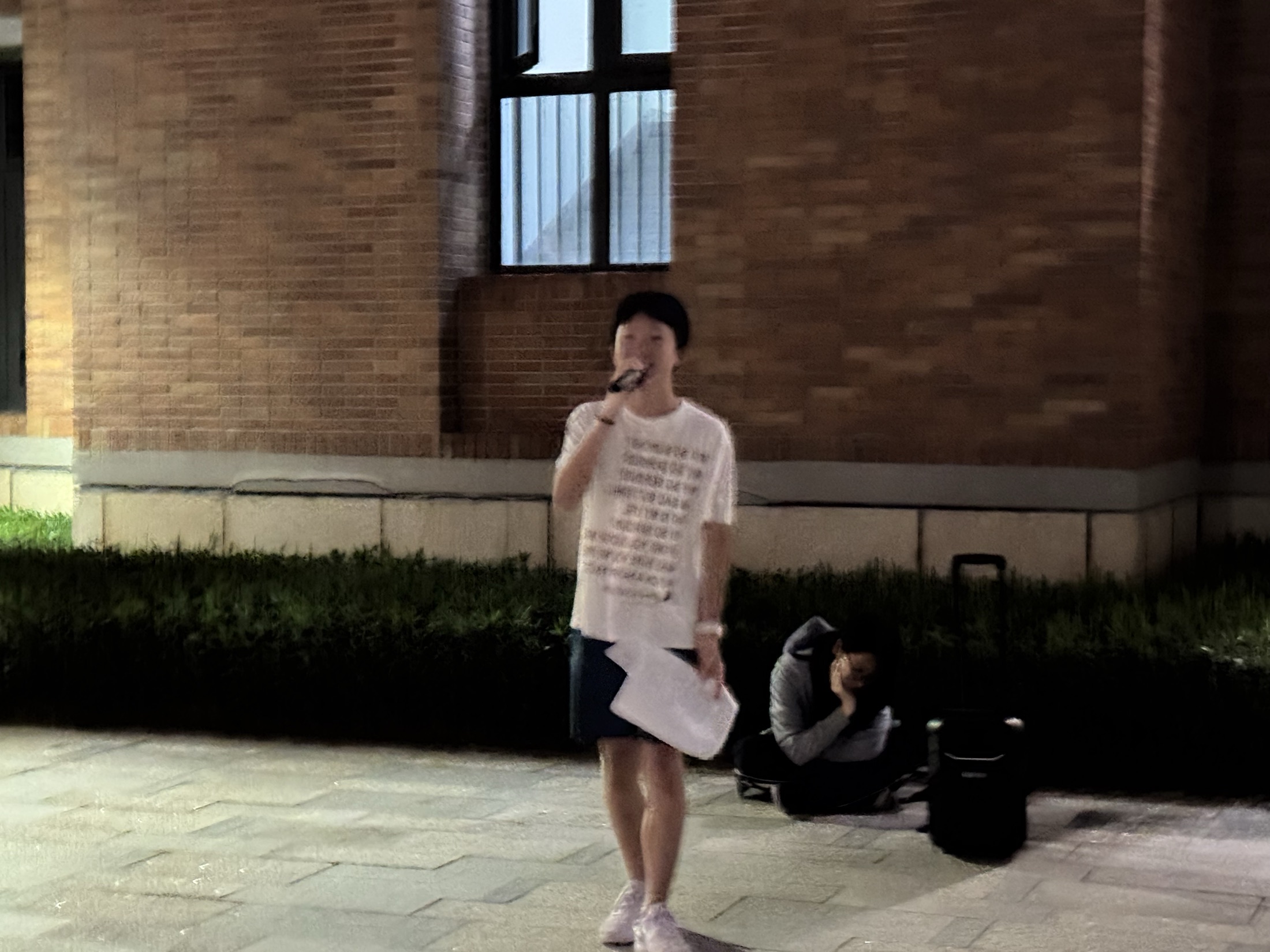
Performing taught me how to turn private energy into something shared. From learning Lose Yourself line by line for a middle-school show to performing in campus flash mobs and school events, the stage gradually became one of the places where I felt most comfortable expressing myself.

STANLEY. (feat. yungmans) — Original · Flash Mob (Mar 27, 2025)

Killshot — Cover · SMS Open Day (Dec 28, 2024)

Not Like Us — Cover · Orientation Week Gala (Aug 29, 2024)

Changes — Cover · Hip-Hop Alliance Flash Mob (Jun 10, 2025)

Distant Strangers — Cover · Recruitment Show (Sep 4, 2025)

Keeping It Real

Hip-Hop still lets me borrow a form. I just no longer want to borrow someone else's life.

For years, my friends and I borrowed images from American hip-hop simply because they sounded "cool." Learning about hip-hop's Black and Latino roots made me rethink authenticity.

Our lyrics began to change: fewer imaginary blocks and "West Coast" references — more Shenzhen dorm rooms, deadlines, Gaokao stereotypes, old iPhones, and our own lives.